

Our Philosophy
Glioblastoma (GBM) exists as one of the most therapeutically intractable and lethal human cancers.
While current glioma models excel at elucidating specific reductionist views of cancer biology, they largely fail in therapeutic screening due to their inability to capture the multifaceted and patient-specific nature of human cancers. Cancer, however, is not a cell-autonomous disease, but rather one involving complex interactions within its microenvironment and the broader organism.
Our laboratory believes that the next generation of preclinical tumor models will need to be highly contextualized based on the specific tumor type and biological and clinical phenotypes unique to host variables.
Our GBM models must capture this complexity by incorporating the genomic, epigenomic, and transcriptomic heterogeneity of tumors, along with the unique characteristics of the human brain microenvironment, while still being suitable for high-throughput assays.
To address limitations with current preclinical glioblastoma (GBM) models, our laboratory utilizes ‘‘GLICO’’ (cerebral organoid glioma) models to retro-engineer patient-specific GBMs using patient-derived glioma stem cells and human cerebral organoids.
The most effective and meaningful of those treatments are yet to be developed and our continued research efforts are to develop noble therapies through a better understanding of biology, pathogenesis, and genomics. This is our mission.
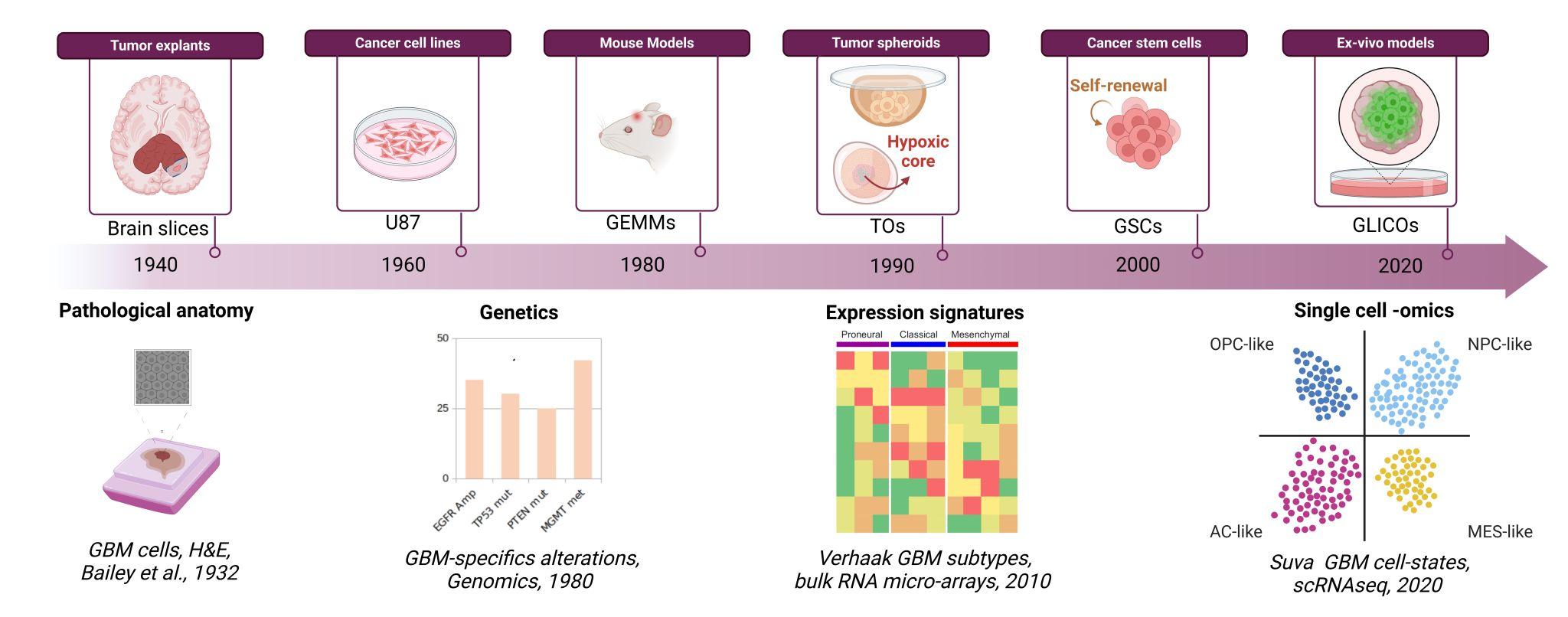
(Fine and Cirigliano, 2025)
Our lab is a 2017 recipient of the NIH Directors Pioneer Award, and is a rapidly growing program/laboratory benefitting from exceptional resources, scientific freedom and extraordinary local environment of world-renowned cancer biologists.